Protect the Environment With Wastewater Impoundment Liners

Posted by XR Geo Representative on Apr 5, 2019 9:51:00 AM

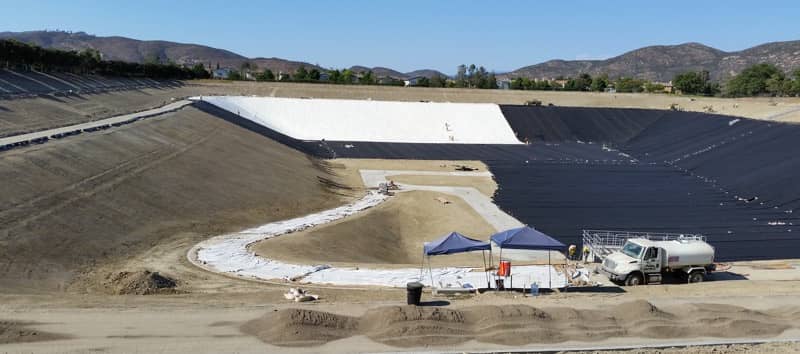
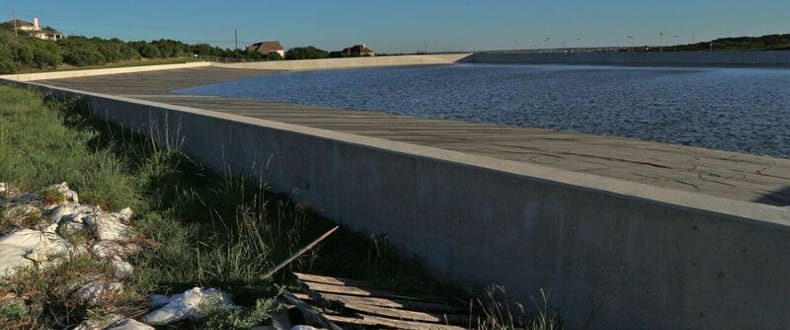
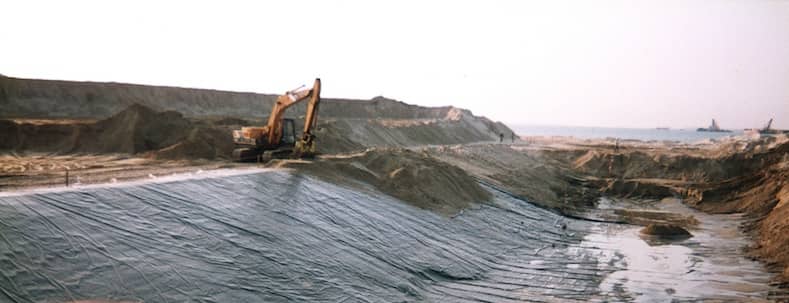
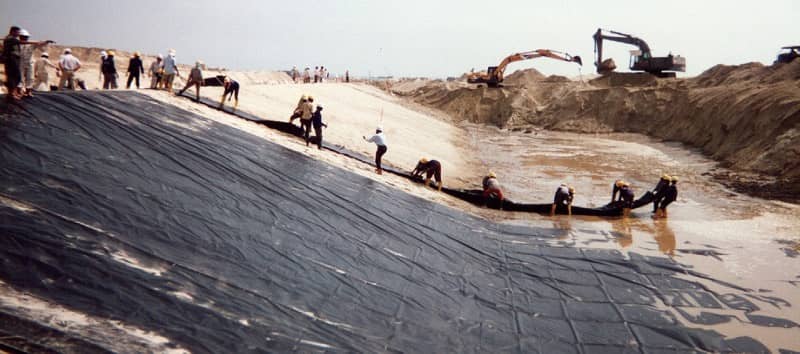
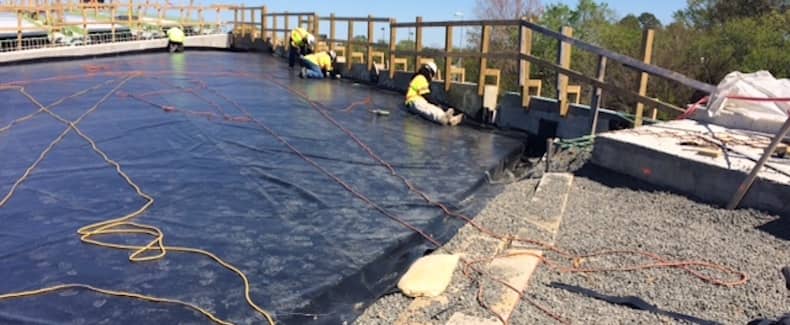
Government agencies, utilities, and industrial customers are increasingly relying on geomembrane solutions for projects that could potentially threaten the environment. Cost-effective due to their ease of installation and proven to be reliable for decades, geomembranes have become a popular front line in protecting natural settings.

Water reclamation is a vital part of the services provided by government and water agencies. The public demands it be done correctly.
Read Full Article

Differences Between Unreinforced and Reinforced Geomembranes

Posted by Kyle Wheeler on Mar 20, 2019 8:50:00 AM

When specifying a geomembrane, engineers have two high-level options: reinforced or unreinforced geomembranes. Both types of geomembranes have unique properties that make them the best solutions for certain applications and projects. In order to assist you with the specification process, we’ve broken down some of the key components for both geomembranes below.

Read Full Article

Benefits of Using Embedment Strips to Attach Geomembranes to Concrete

Posted by XR Geo Representative on Jan 15, 2019 10:00:00 AM

Nearly all geomembrane installations are fixed at the perimeter of the containment by burying the liner in an anchor trench or by attaching it to concrete (i.e., a collar wall, foundation wall, etc.). The standard approach for connecting the geomembrane liner to concrete is to use a batten.

In this technique, concrete lags are set (i.e., drilled) into the concrete. These are placed on 6" or 12" centers at an engineer’s discretion. A compressible material such as Neoprene or butyl tape is then placed between the liner and concrete, and stainless steel, like 316 SS, or aluminum batten strip, is placed over the liner, and the lag bolts are driven through the batten, liner, and anchored into the lag. The top of the detail is then sealed with a waterproof caulk (see Figure 1).

Read Full Article

Factory Vs. Field Geomembrane Seams: What’s the Difference?

Posted by Bill Shehane on Dec 13, 2018 1:40:22 PM

Typically there are two types of geomembranes: flexible membrane liners and rigid geomembranes. With flexible geomembrane liners, large panels can be prefabricated in a factory prior to being delivered to a job site. Rigid membranes, on the other hand, need to be shipped to job sites before their geomembrane seams are joined together. So what difference does it make?

Read Full Article

Exposed Geomembrane Covers—the Rest of the Story

Posted by Felon Wilson on Sep 14, 2018 8:36:00 AM


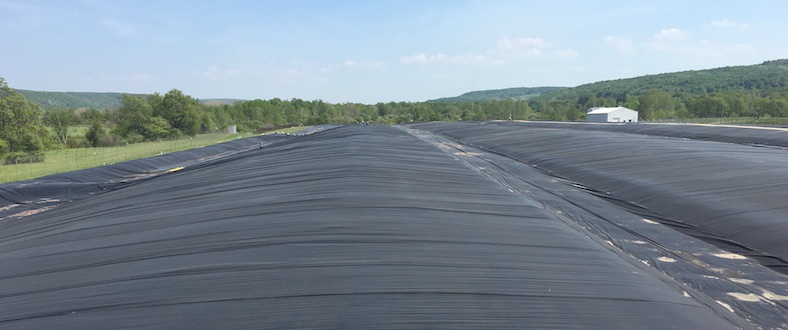
The geomembrane industry has been buzzing lately with a new interest in geomembrane covers which are left uncovered. It’s advantageous in some situations to leave a rain-shedding cover, over a closed waste or another site, uncovered, at least for some extended period of time. This allows the owner/engineers to perform various in-situ treatment of the underlying material, make modifications to the geomembrane cover, and/or leave the site available for new or anticipated technological advances for long-term site management.

Read Full Article

What Ensures Longevity in a Cold Environment Geomembrane Application?

Posted by Felon Wilson on Jul 26, 2018 1:32:27 PM


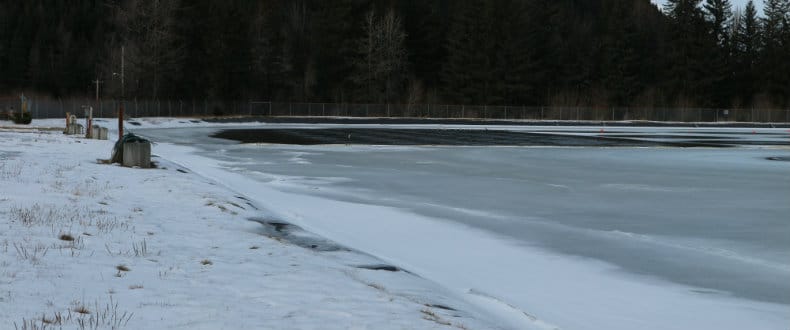
Some of the harshest environs in the world are in extreme cold applications. Wastewater operations must be designed with materials and features which ensure those successes. Let’s take a look at one such installation, the 6-acre geomembrane lined wastewater impoundment at the Lowell Point wastewater treatment plant in Seward, Alaska. The reinforced ethylene copolymer has been in service at the facility for over a quarter of a century. Here are five features of the original site design, product selection, and installation, which were essential to its success and longevity.

Read Full Article

Are You Using the Right Spill Berm for Your Application?

Posted by Sue Uhler on Apr 12, 2018 3:44:22 PM

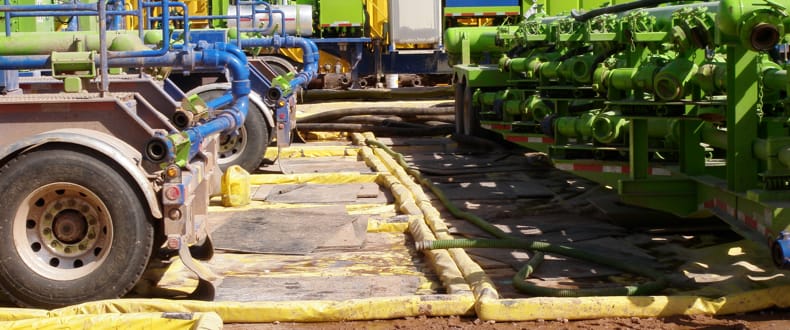
Spill berms are utilized as barriers that prohibit the spread of contamination into the ground, surface water, and waterways. Unlike a permanent containment liner, spill berms are typically temporary or semi-permanent. In some cases, permanent spill berms are utilized, which require long-term high-performance geomembranes to adequately protect the environment. Temporary spill berms are portable, short-term containment. These types of berms are used for day-to-day activities such as the offloading of trucks, short-term storage, and site preparations to name a few. They resist contaminates, can undergo abrasion and potential punctures during operation, are easily cleanable following a spill, and easy to use.

Read Full Article

How Weathering Affects Geomembranes

Posted by XR Geomembranes on Mar 1, 2018 4:20:33 PM

It is vital to consider the effects of a geomembrane’s exposure to weathering to ensure optimal long-term performance. The most important factor in determining performance in any given environment is the type of polymer used in the geomembrane.

Read Full Article

XR Geomembrane Liners Tackle Crude Oil Storage Challenge

Posted by Felon Wilson on Feb 1, 2018 2:43:16 PM

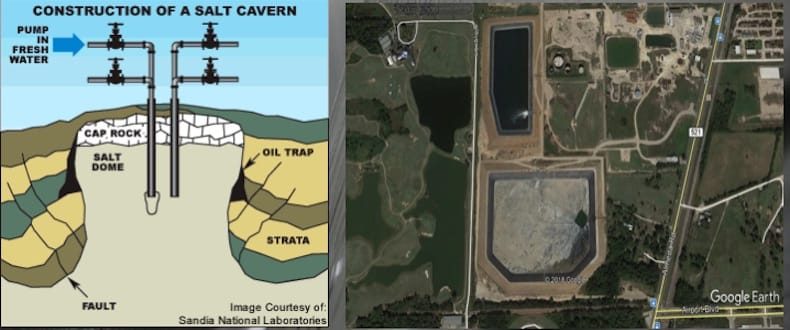
When Fairway Energy Partners needed to expand its underground crude oil storage capacity at a facility in Houston, it turned to XR-5 geomembranes. The membrane liners were an ideal solution for containing brine and crude oil on the massive project.

Read Full Article
New call-to-action

Follow Us:

Subscribe to Email Updates

New call-to-action

Recent Posts